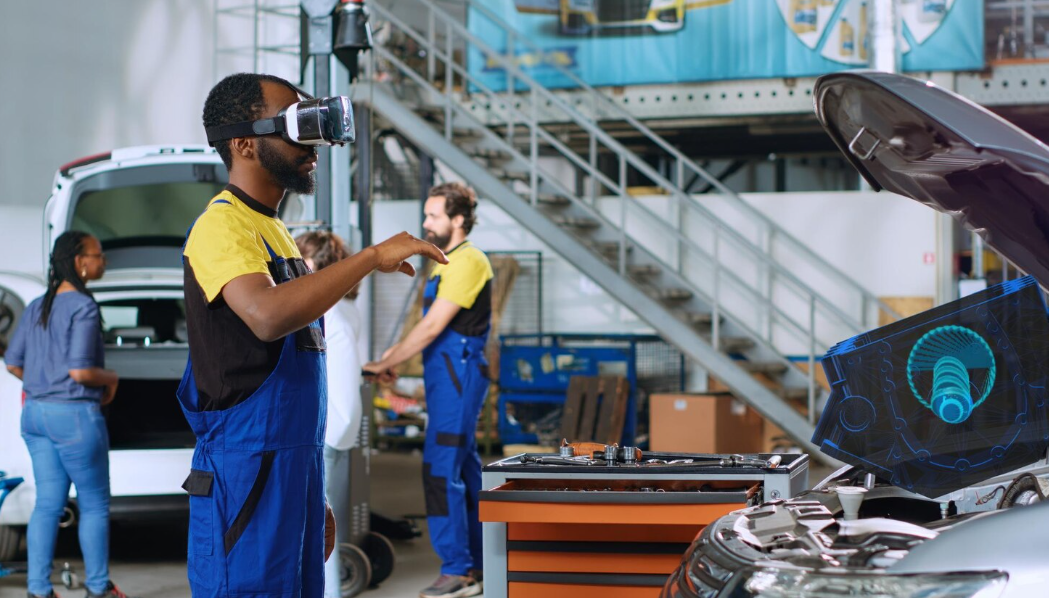
Auto has grown from a simple term associated with cars into a broad concept that represents an entire ecosystem of vehicles, technology, infrastructure, and mobility solutions. The modern Auto landscape is shaped by rapid innovation, changing consumer behavior, and global challenges such as urbanization and sustainability. Understanding Auto today means looking beyond engines and design to see how transportation is transforming in function and purpose.
Understanding the Modern Meaning of Auto
Auto now represents more than personal vehicles. It includes passenger cars, commercial transport, mobility services, and the systems that support movement. The Auto sector connects manufacturing, technology development, energy management, and urban planning. This expanded meaning reflects how transportation has become deeply integrated into economic growth and daily life.
Evolution of Vehicles in the Auto Sector
Vehicles in the Auto industry have evolved significantly over time. Early models focused on basic transportation and mechanical reliability. Modern vehicles are built with advanced materials, electronic systems, and intelligent controls. The Auto sector emphasizes efficiency, safety, and adaptability. This evolution allows vehicles to perform reliably across different environments and usage patterns.
Auto Technology Driving Industry Change
Technology is a major force shaping the Auto industry. Digital systems manage engine performance, braking, steering, and safety functions. Connectivity allows vehicles to interact with navigation platforms and digital services. The Auto sector uses technology to improve accuracy, reduce emissions, and enhance user experience. Software driven innovation has become as important as mechanical engineering.
Safety as a Core Auto Priority
Safety has become a central focus across the Auto industry. Vehicles are designed to protect occupants and reduce accident risk. Structural design, monitoring systems, and intelligent assistance work together to support drivers. The Auto sector continues to invest in preventive safety rather than reactive protection. This focus reflects a commitment to reducing road injuries and fatalities.
Auto and Changing Mobility Needs
Mobility needs are changing as cities grow and lifestyles evolve. The Auto industry is responding by developing solutions that go beyond private ownership. Shared mobility, flexible transport services, and efficient public integration are becoming more common. Auto now supports movement as a service rather than a product alone. This shift helps reduce congestion and improve accessibility.
Sustainability and the Auto Industry
Environmental responsibility plays a key role in the modern Auto landscape. Fuel efficiency, lower emissions, and alternative energy sources are shaping vehicle development. The Auto sector aims to balance performance with sustainability. Cleaner technologies and efficient design reduce environmental impact while meeting transportation demands.
Manufacturing Innovation in Auto
Manufacturing processes within the Auto industry have become highly advanced. Automation and digital simulation improve precision and consistency. Manufacturers test designs virtually to ensure performance and safety before production. The Auto sector benefits from efficient manufacturing that reduces waste and improves quality. These innovations support faster development and competitive pricing.
Consumer Expectations and Auto Experience
Consumer expectations have influenced how Auto products are designed and delivered. Buyers now expect reliability, comfort, and technology integration. User friendly interfaces and personalized features enhance satisfaction. The Auto industry focuses on creating seamless experiences that support daily life. Meeting these expectations builds trust and long term loyalty.
Auto Industry and Global Economic Impact
The Auto industry plays a significant role in global economic activity. It supports employment across manufacturing, technology, logistics, and services. Innovation in Auto drives growth in related industries such as energy and digital infrastructure. Efficient transportation supports trade and workforce mobility. The Auto sector remains a key contributor to economic development.
Challenges Facing the Auto Sector
Despite progress, the Auto industry faces challenges including rising costs, regulatory requirements, and technological complexity. Cybersecurity and data protection have become important considerations. The Auto sector must balance innovation with safety and affordability. Addressing these challenges requires collaboration and long term planning.
The Future Direction of Auto
The future of Auto points toward greater integration of technology and mobility solutions. Vehicles will become smarter, more connected, and more efficient. Auto will continue to evolve alongside urban development and environmental priorities. The industry will focus on adaptability and resilience to meet future demands.
Why Auto Industry Insights Matter
Understanding Auto industry trends helps consumers, businesses, and policymakers make informed decisions. Insights into vehicle development, technology adoption, and mobility solutions reveal how transportation will shape daily life. Auto industry awareness supports smarter choices and prepares society for change.
Conclusion
Auto industry insights show how vehicles, technology, and mobility are evolving together to meet modern needs. The Auto sector is no longer defined by products alone but by systems that support efficient and responsible movement. As innovation continues, Auto will remain a driving force in shaping safer, cleaner, and more connected transportation. Understanding this evolution helps individuals and communities adapt confidently to the future of mobility.